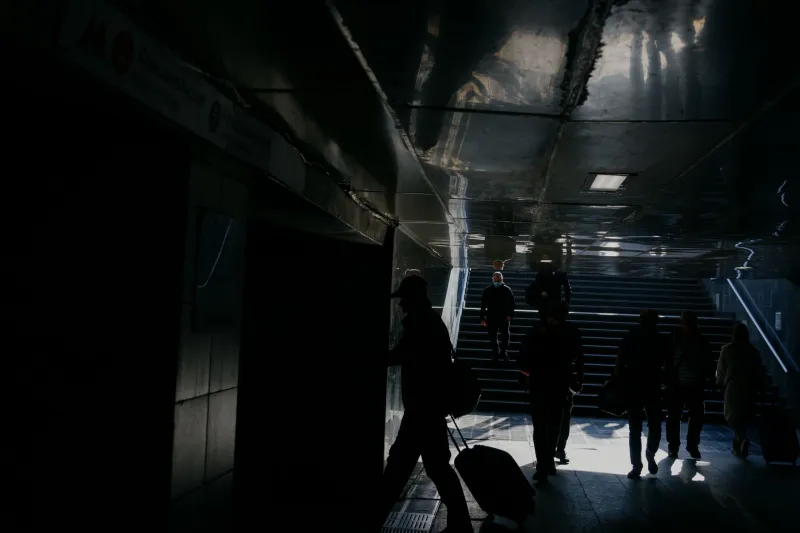
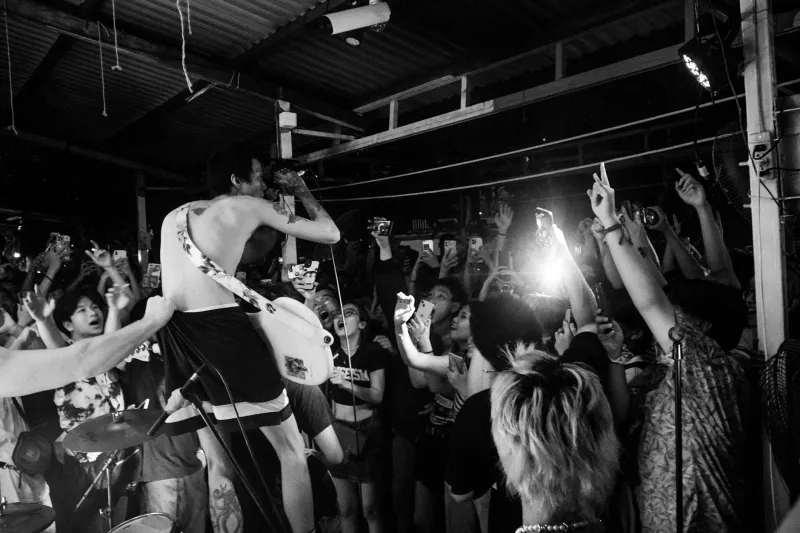
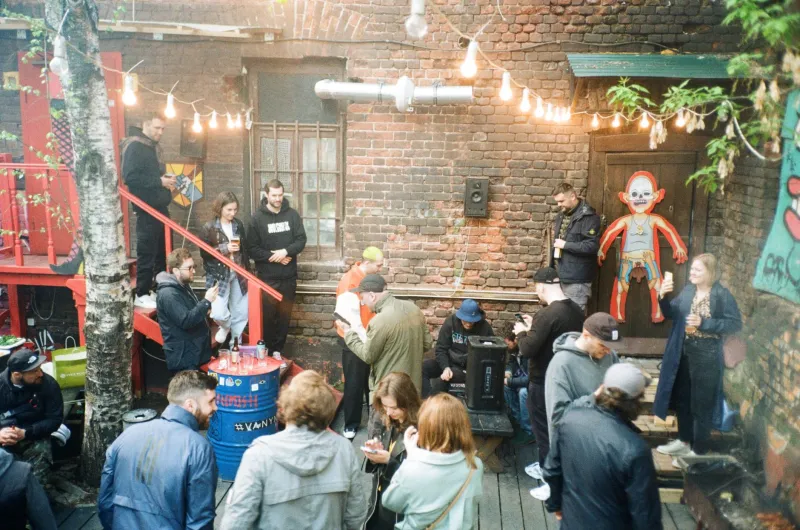
Locked Doors, Empty Rooms: What Happens When a Scene Gets Too Good at Shutting People Out
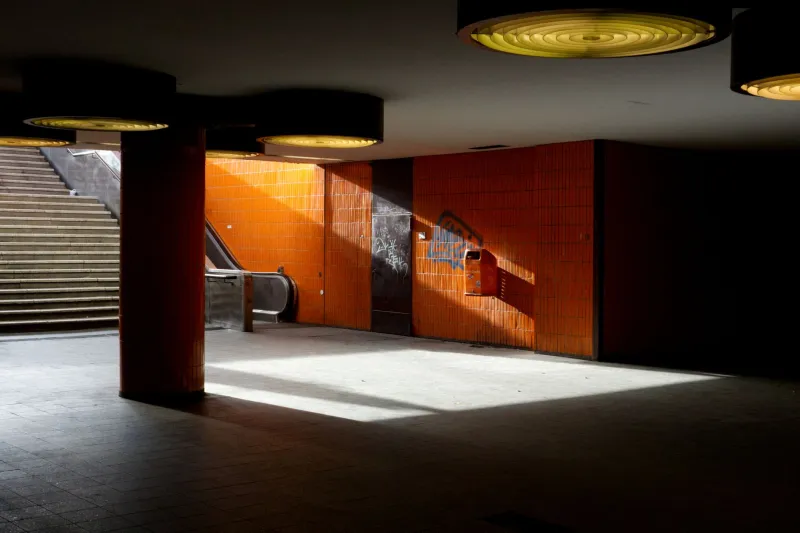
Every underground scene starts with the same origin story. A handful of weirdos find each other, build something raw and weird and theirs, and then spend the next several years trying to protect it from the outside world. It's a survival instinct. Makes total sense. The problem is that instincts don't always age well.
At some point — and nobody ever agrees on exactly when — the locks get changed one too many times. The whisper network gets too quiet. The unwritten rules pile up until they're taller than the door they're guarding. And then one day, someone looks around at the same thirty faces they've been looking at for five years and realizes: we built a fortress, but we forgot to plant anything inside it.
The Paradox Nobody Wants to Name Out Loud
Call it the Gatekeeping Trap. The harder a scene works to stay pure, the more it risks becoming a museum of its own former energy. The irony is brutal and it plays out in scenes across the country — in the noise music lofts of Brooklyn, the DIY hardcore basements of Richmond, the experimental electronic collectives operating out of strip-mall rehearsal spaces in Phoenix.
"We were so proud of not selling out," says Marcus, a longtime organizer in a mid-sized Midwest city who asked us not to use his last name or identify his scene specifically. "But at some point 'not selling out' just became code for 'not letting anyone new in.' We weren't protecting the culture anymore. We were hoarding it."
This is the part that scene veterans tend to resist hearing. Gatekeeping has a legitimate function. It keeps corporate opportunists from strip-mining your aesthetic. It filters out people who want the clout without doing the work. It maintains the trust that makes underground communities feel like actual communities instead of just loosely affiliated strangers at a bar.
But there's a version of gatekeeping that curdles into something uglier — a kind of territorial anxiety that mistakes stagnation for integrity.
When Exclusivity Stops Protecting and Starts Consuming
Jade, a visual artist and zine maker based in Los Angeles who has moved through several underground art scenes over the past decade, describes watching a community she loved turn inward so hard it eventually imploded.
"There was this collective I was part of for a while that had incredible energy at the start," she says. "Really talented people, genuinely radical ideas. But over time it became almost impossible to bring anyone new in. Every potential collaborator got interrogated. Every outsider was treated like a threat. The people doing the gatekeeping thought they were being protective, but what they were really doing was starving the thing they loved."
What Jade's describing isn't unique to any one city or subgenre. It's a pattern that shows up everywhere underground culture exists long enough to develop a self-image. The scene gets good enough to attract attention, the attention triggers defensiveness, the defensiveness calcifies into gatekeeping, and eventually the gatekeeping becomes its own kind of scene — one where the primary creative act is deciding who doesn't belong.
The irony, as Marcus points out, is that most of the people doing the most aggressive gatekeeping weren't there at the beginning either. "The folks who are hardest on newcomers are usually people who came in during the second wave. They got welcomed in when the scene was still open, and then they pulled the ladder up behind them."
The Sweet Spot Nobody Has Fully Mapped
So where does that leave us? Is there an actual workable balance between protecting a scene's integrity and keeping it alive enough to evolve?
The honest answer is: yes, but it requires intentionality that most scenes don't build into their structure because most scenes are, by nature, informal and instinct-driven.
Organizers who seem to navigate it best tend to share a few common approaches. They distinguish between gatekeeping values versus gatekeeping people. They're explicit about what the scene actually stands for — which means newcomers can self-select based on genuine alignment rather than being filtered through the personal preferences of whoever happens to be in the room that night.
They also tend to create structured on-ramps. Open nights. Mentorship pipelines. Collaborative events that are specifically designed to introduce new energy without blowing up the community's core character. It's less romantic than the mythology of the velvet-rope underground, but it works.
"The scenes that last are the ones that figured out how to be selective without being closed," says Devon, a booker and community organizer who has worked in underground music spaces in Chicago and Detroit. "There's a difference between having standards and having a clique. One of those things builds something. The other one just protects the feelings of whoever's already inside."
What Gets Lost When the Door Stays Locked
Here's what the most defensive scenes tend not to account for: creative ecosystems need friction to generate new ideas. Not the hostile, gatekeeping kind of friction — the productive kind that comes from different perspectives colliding. When a scene gets too insular, it doesn't just stop growing. It starts repeating itself. The music sounds the same. The art references the same references. The conversations loop back to the same arguments.
The underground has always been at its best when it was porous enough to absorb influences from unexpected directions while remaining grounded in something genuinely its own. That's how punk got weird. That's how hip-hop kept mutating. That's how every scene that actually mattered managed to stay relevant long enough to matter.
Locking the door too tight doesn't preserve the scene. It just slows down the decay while making it harder to notice.
Raiding Your Own Assumptions
For what it's worth, the most interesting communities we've encountered lately are the ones actively interrogating their own gatekeeping instincts — asking hard questions about whether their exclusivity is genuinely principled or just comfortable. That kind of self-examination isn't easy, especially when the scene's entire identity is built around the idea that it knows something the outside world doesn't.
But the alternative is a locked room full of people congratulating themselves on their purity while the thing they built quietly hollows out around them.
The underground has always been about building something the mainstream can't touch. The trick is making sure the thing you're protecting is still alive.