Priced Out Before the Press Ever Shows Up: The Real Estate Trap Swallowing Underground Scenes Whole
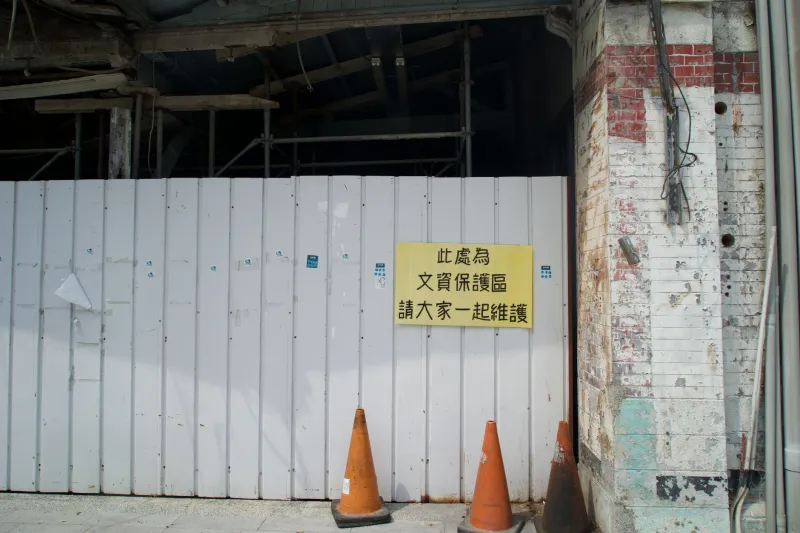
There's a cruel joke buried inside every 'neighborhood revival' story. By the time a journalist files the piece about some electric, creative pocket of a city — the murals, the basement shows, the all-ages spaces running on duct tape and mutual goodwill — the people who built that culture are already packing boxes. The scene gets its flowers at exactly the moment it's dying. And the eulogy is usually written by someone who helped kill it.
This is the gentrification speedrun. It doesn't take decades anymore. In the fastest-moving real estate markets in the country, an underground scene can go from thriving to evicted inside of three years. Sometimes less.
The Mechanics of the Squeeze
Underground scenes don't appear in expensive neighborhoods. That's the whole point. They root themselves in the overlooked, the undervalued, the places where a landlord will let a weird collective of artists rent a warehouse because nobody else is asking. Cheap rent is not just a financial convenience — it is the actual infrastructure of underground culture. Without it, none of the rest exists.
What happens next follows a pattern so consistent it might as well be a business model. Artists move in, rents are low, something real gets built. Word spreads — slowly at first, then all at once. A food blogger mentions the neighborhood. A real estate investor reads the food blog. A developer files permits. The city council calls it 'revitalization.' The artists get thirty days' notice.
In Los Angeles, the Boyle Heights arts scene watched this happen in near real-time. Galleries and DIY spaces that had anchored the neighborhood for years faced coordinated pressure from developers banking on Metro line expansion driving property values skyward. Organizers there didn't just protest — they explicitly named the connection between arts-washing and displacement, calling out institutions that used community aesthetics as a marketing tool for gentrification. It cost them relationships with some mainstream arts funding. They said it anyway.
In Detroit, the story is different but the shape is the same. Decades of disinvestment left enormous creative space for underground music communities, queer collectives, and DIY venue operators to build something genuinely remarkable. Now, with the city's 'comeback' narrative locked in, the same neighborhoods that incubated that culture are being repositioned for a demographic that discovered Detroit on a lifestyle podcast.
'Revitalization' Is a Word That Does a Lot of Lying
Pay attention to the language. 'Revitalization.' 'Investment.' 'Bringing the neighborhood back.' Back for whom? The people who were there building it — often working-class communities of color, queer communities, immigrant communities — don't tend to appear in the developer's vision board.
In Chicago's Pilsen neighborhood, a predominantly Mexican-American community that has also been home to a dense, interconnected arts scene for decades, residents and organizers have spent years fighting landmark designation battles, zoning disputes, and the slow creep of upscale development that prices out the very cultural producers used to market the neighborhood's appeal. The 'authentic Pilsen experience' gets sold to newcomers on the same street where the people who created that authenticity can no longer afford to live.
This is the core hustle of arts-led gentrification: culture gets extracted like a resource. The vibe is monetized. The originators get displaced. The new arrivals wonder why the neighborhood doesn't feel as alive as it used to.
The Venue Is the First Domino
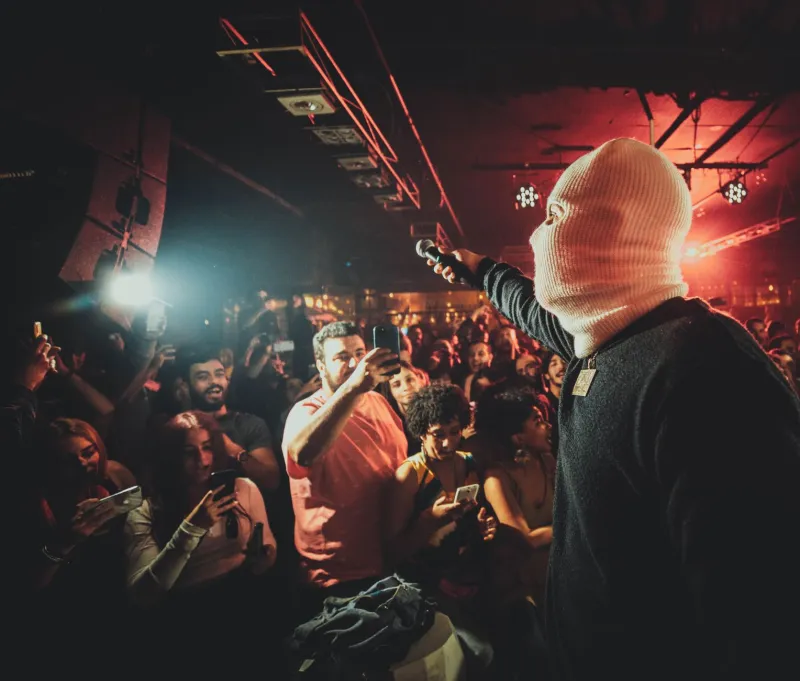
For music scenes specifically, the venue isn't just a place — it's the connective tissue. Lose the venue and you don't just lose a room. You lose the network, the institutional memory, the reason people show up on a Tuesday to see a band nobody's heard of yet.
In New York, the list of shuttered DIY spaces, small clubs, and all-ages venues reads like a casualty report. Death by Noise in Brooklyn. The Glove. Silent Barn. Each closure ripples outward, scattering communities, breaking momentum, forcing organizers to start over in whatever cheap square footage they can still find — until that gets taken too.
The math is brutal. A venue operating on thin margins in a neighborhood with rising property values is not just competing against its own costs. It's competing against the hypothetical value of the space as luxury condos or a chain fitness studio. A landlord doesn't need to hate music to price out a music venue. They just need to read a spreadsheet.
Who's Actually Fighting Back — and How
The most interesting resistance isn't happening in op-eds. It's happening in legal structures and cooperative ownership models that try to permanently remove spaces from the speculative real estate market.
In Philadelphia, venues and arts organizations have been exploring community land trust models — structures that allow communities to own land collectively, taking it off the speculative market and keeping it permanently affordable. It's slow, complicated, and requires sustained organizing. It also might be the only thing that actually works long-term.
In the Bay Area, where the displacement of creative communities has been particularly savage, collectives have experimented with multi-stakeholder cooperative ownership of venue spaces — essentially making the musicians, organizers, and community members co-owners rather than tenants. When you own the building, the landlord can't triple your rent.
Other organizers are working the political angle, pushing for cultural district designations that come with actual teeth — zoning protections, right-to-return provisions for displaced tenants, and requirements that developers who profit from cultural cachet contribute to affordability funds. Some cities are listening. Most aren't.
In Portland, a coalition of venue operators and community organizers spent years pushing for what became the Portland Small Business Stabilization Fund, a city-backed program designed partly to help small cultural businesses survive in rapidly gentrifying neighborhoods. It's not a silver bullet. But it's proof that organizing creates options that didn't exist before.
The Scene Doesn't Have to Accept This
Here's the thing about underground scenes: the whole identity is built on refusing to accept the terms handed down from above. The DIY ethic isn't just an aesthetic. It's a survival strategy. And survival in the current real estate climate requires the same creative stubbornness that made these scenes worth saving in the first place.
That means getting into rooms where zoning decisions get made. It means building legal and financial structures that make displacement harder. It means naming arts-washing when it happens, even when the institutions doing it have grant money to offer. It means treating affordable housing as a scene issue, not a separate political topic, because the musicians and organizers and attendees who make underground culture possible need somewhere to live.
The gentrification speedrun is real. But it isn't inevitable. The scenes that survive the next decade will be the ones that figured out how to own something — literally, not just spiritually.
Everybody else is just renting time.