Keep Out: Why Gen Z Is Building Walls Around the Scenes They Love
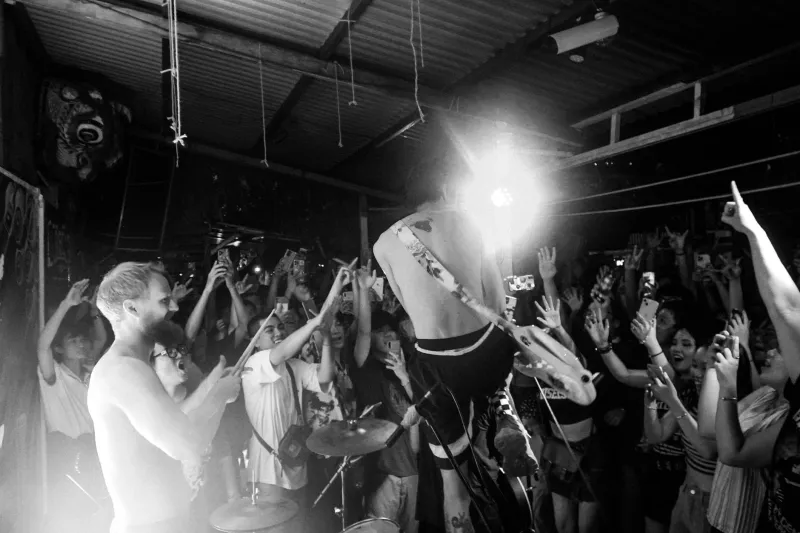
There's a new kind of velvet rope in town, and it's not outside some overpriced club in Manhattan. It's a Discord invite link that expires in 24 hours. It's a flyer posted in a font only regulars can decode. It's a TikTok comment section that looks like gibberish to outsiders but functions as a full-on initiation ritual for those who know. Gen Z didn't invent gatekeeping — punk scenes were doing it in church basements before most of these kids were born — but they've engineered it into something almost architecturally precise.
The question worth asking right now isn't whether this gatekeeping exists. It clearly does. The real question is whether it's an act of cultural self-defense or a slow-motion implosion.
The Algorithm Made Them Do It
To understand why young creators are building moats around their communities, you have to understand what happened when they didn't. Cottagecore went from a niche Tumblr aesthetic to a Target seasonal collection in what felt like eighteen months. Hyperpop got a Spotify playlist. Vaporwave became a font pack on Canva. Every time something weird and specific and genuinely underground caught the algorithm's eye, it got processed, packaged, and sold back to the people who invented it — usually without credit and definitely without a cut.
So kids started getting smarter. They started building in friction.
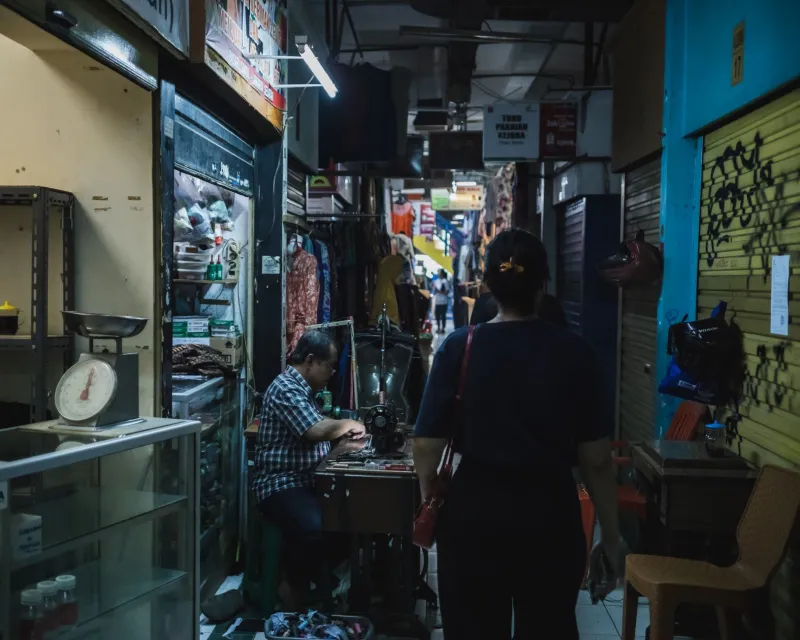
Private Discord servers with application processes longer than some college admissions forms. Instagram accounts set to private with a follower request vetting system that would make a bouncer blush. Livestreams announced through a chain of reposts that requires you to already be embedded in the community to even know they're happening. These aren't accidents. They're features.
"We had a whole micro-scene going for almost two years before anyone outside our city even knew it existed," says one 22-year-old event organizer in Philadelphia who asked to stay anonymous. "The second we got written up in a local paper, the vibe shifted. New people came in who didn't understand the unwritten rules. Within six months it felt like a completely different thing."
Coded Language as Cultural Currency
One of the more fascinating tools in this gatekeeping arsenal is linguistic. Scenes have always had their own slang — that's nothing new. But Gen Z has turned coded language into a deliberate filtration system. Certain phrases, references, or even specific emoji combinations function as shibboleth. If you know, you know. If you have to ask, you've already answered your own question.
This plays out constantly on TikTok, where comment sections under certain niche music or art videos operate on two levels simultaneously. On the surface it looks like random internet noise. Underneath, it's a conversation happening in plain sight that the algorithm's content scrapers and trend-chasing journalists can't quite parse. It's a pirate signal hidden inside a pop broadcast.
The irony, of course, is that TikTok itself — a platform built on viral spread and maximum visibility — has become one of the primary arenas where underground communities practice invisibility.
The Paradox Nobody Wants to Talk About
Here's where it gets complicated. Scenes need new blood. They always have. The punk scene that felt exclusive and dangerous in 1977 was also recruiting. Hardcore shows were terrifying to walk into for the first time, but people walked in. Hip-hop cyphers had an intimidating energy that was also, on some level, an invitation to prove yourself. There was a difference between a scene that demanded you earn your place and a scene that simply locked the door.
When gatekeeping tips from the former into the latter, it stops being preservation and starts being calcification. A community that never grows eventually becomes a museum exhibit of itself — perfectly preserved and completely lifeless.
Some cultural critics are starting to push back on the romanticization of hyper-exclusive micro-scenes. "There's a class and access dimension to this that people aren't being honest about," argues one cultural writer based in Chicago. "When you build a scene around invite-only events and private servers, you're often just replicating the same exclusionary dynamics that underground culture was supposed to be a reaction against. You're just doing it with a cooler aesthetic."
That's a sharp point. Who has access to the friend groups that get the invites? Who has the time and resources to attend invite-only shows on short notice? Who's already on the right corners of the internet to even encounter the coded language in the first place? Exclusivity has a way of defaulting to familiarity, and familiarity has a way of defaulting to sameness.
The Scene That Protects Itself vs. The Scene That Eats Itself
Not everyone is pessimistic about what's happening. There's a legitimate argument that in an era of relentless commodification, some degree of intentional friction is the only thing keeping underground culture from being immediately strip-mined by brands and content farms.
Consider what happened to lo-fi hip-hop. What started as a niche internet aesthetic built around obscure samples and a specific emotional register became, within a few years, the default background music for study content, corporate wellness apps, and café playlists. The aesthetic survived. The scene didn't. There's no there there anymore — just a vibe, floating free of any community that originally gave it meaning.
If a little gatekeeping could have slowed that process down, maybe it was worth it.
The healthiest version of what Gen Z is doing looks less like a locked door and more like a slow door — something that creates enough resistance to filter out opportunists and trend-chasers without permanently barring people who genuinely want to be part of something real. The challenge is that slow doors require constant calibration, and most scenes don't have the infrastructure or the self-awareness to pull that off consistently.
What Comes Next
The underground has always been in dialogue with the mainstream, whether it wants to be or not. That tension — between staying true and breaking through, between protecting something and sharing it — is as old as subculture itself. Gen Z didn't create this problem. They inherited it and are solving it with the tools available to them, which happen to include server permissions and algorithmic evasion tactics that previous generations couldn't have imagined.
Whether the walls they're building are acts of preservation or self-imposed exile probably depends on the specific community, the specific scene, and whether the people running it can resist the very human temptation to confuse exclusivity with quality.
The pirates who built the most enduring underground scenes weren't the ones who kept their maps secret forever. They were the ones who knew exactly when to share them.