No Label, No Problem: How Bedroom Producers Are Hijacking Hip-Hop From the Inside Out
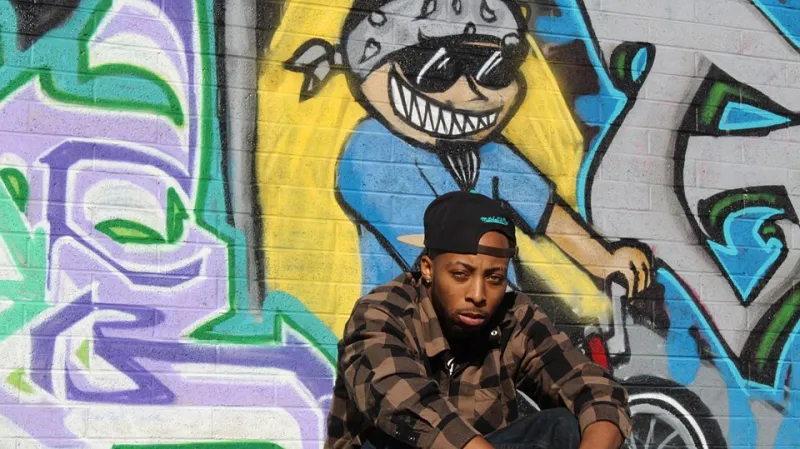
Photo: YS MUsic, CC BY-SA 4.0, via Wikimedia Commons
Somewhere in a one-bedroom apartment in Atlanta, a 19-year-old is flipping a dusty soul sample he found on a Discogs deep dive at 2 a.m., layering 808s over it, and posting the finished beat to TikTok before breakfast. By the time he's eating cereal, the comments are already asking where to buy it. By the end of the week, he's moved 40 licenses at $30 a pop and reinvested the money into a better audio interface.
No A&R. No distribution deal. No manager taking 20 percent. Just the music and the people who want it.
This is the new underground economy of hip-hop production, and it's moving faster than the industry can react.
The Algorithm Is a Tool, Not a Master
Let's be clear about something: using TikTok doesn't mean selling out to it. The bedroom producers redefining the beat market aren't chasing trends — they're exploiting the platform's reach while keeping their actual business completely off of it. TikTok is the billboard. The transaction happens somewhere else entirely.
Producers are funneling followers to Discord servers, private Telegram channels, and personal websites where they sell exclusive licenses, lease packages, and even custom beat commissions directly to independent rappers. It's a peer-to-peer economy that cuts out every single middleman the traditional music industry ever invented.
"I use TikTok the same way a drug dealer uses a street corner," says Marcus, a 22-year-old producer based in Houston who goes by the handle Lōst Knob and has amassed over 180,000 followers posting beat-making videos. "You stand there so people know where to find you. The real business happens somewhere else."
He's not wrong. Marcus made just under $40,000 last year selling beats independently. He's never signed anything with anyone.
Crate Digging Goes Digital — But the Hustle Stays Raw
The sample-based tradition in hip-hop is as old as the genre itself. What's shifted is where producers are finding the raw material. Streaming platforms, YouTube rabbit holes, and deep-cut Bandcamp pages have replaced the physical record bins — though plenty of these producers will still tell you nothing beats finding a $2 gem at a Goodwill in the suburbs.
The obscurity is part of the point. When you're flipping a 1973 Peruvian cumbia record that three people in your city have ever heard, you're not just making a beat. You're doing archival work. You're resurrecting something.
Jordyn Reeves, who produces under the name Moth Wing and splits her time between Chicago and online communities, describes her sampling process as "sonic archaeology."
"I want to find sounds that feel like they were always meant to be hip-hop but nobody knew it yet," she says. "When I flip something obscure, it's not just a flex. It's like giving that record a second life in a genre it never knew existed."
Moth Wing's beats have been used by underground rappers across the country, none of whom she's ever met in person. She sells through her own site, takes payments through Cash App, and has a waitlist for custom work three months deep.
Labels Came Knocking. These Producers Didn't Answer.
Here's the part of the story the industry would rather not talk about: some of these producers have been approached. The A&Rs are watching TikTok, too. They see the numbers. They send the DMs.
And increasingly, they're getting left on read.
"A label hit me up last year and I genuinely thought it was spam at first," says Deon, a 24-year-old producer from Detroit who goes by Pale Circuit. "When I realized it was real, I asked my cousin who works in entertainment law to look at what they were offering. It was basically, 'we own everything you make for five years and you get 18 percent of your own work.' I passed."
The math just doesn't add up anymore. When a producer can move beats independently, keep 100 percent of revenue, maintain full ownership of their catalog, and build a direct relationship with their audience — the label deal stops looking like opportunity and starts looking like a trap.
This isn't naivety. It's calculation.
The Infrastructure Is Already There
What makes this moment different from previous waves of DIY music culture is the infrastructure. Producers don't have to build the tools from scratch. BeatStars and Airbit have created full licensing marketplaces. Stripe handles payments. Discord builds community. YouTube hosts the tutorials that teach the next wave.
The knowledge is decentralized too. Older producers are openly sharing information about music law, sample clearance, pricing strategy, and platform algorithms in ways that would have been unthinkable in a previous era when gatekeepers hoarded that knowledge as leverage.
"We literally teach each other everything," says Jordyn. "There are Discord servers where producers share contract templates, talk about what licenses to charge, how to protect your work. It's like a union except nobody's in charge."
That horizontal structure is the whole point. No one person controls the scene because the scene doesn't want to be controlled.
What This Means for Hip-Hop
When you remove the label filter from what gets made and what gets heard, the music changes. Without an A&R telling a producer what's "marketable," you get weirder sounds, stranger samples, and more honest collaborations between artists who found each other organically rather than being assembled in a conference room.
The underground has always been where hip-hop's most vital ideas incubate. What's new is that the underground now has a direct pipeline to an audience — and a way to get paid without ever surfacing into the mainstream.
That's not just a music story. That's a power story.
The pirates aren't waiting for permission to board the ship anymore. They built their own boats.